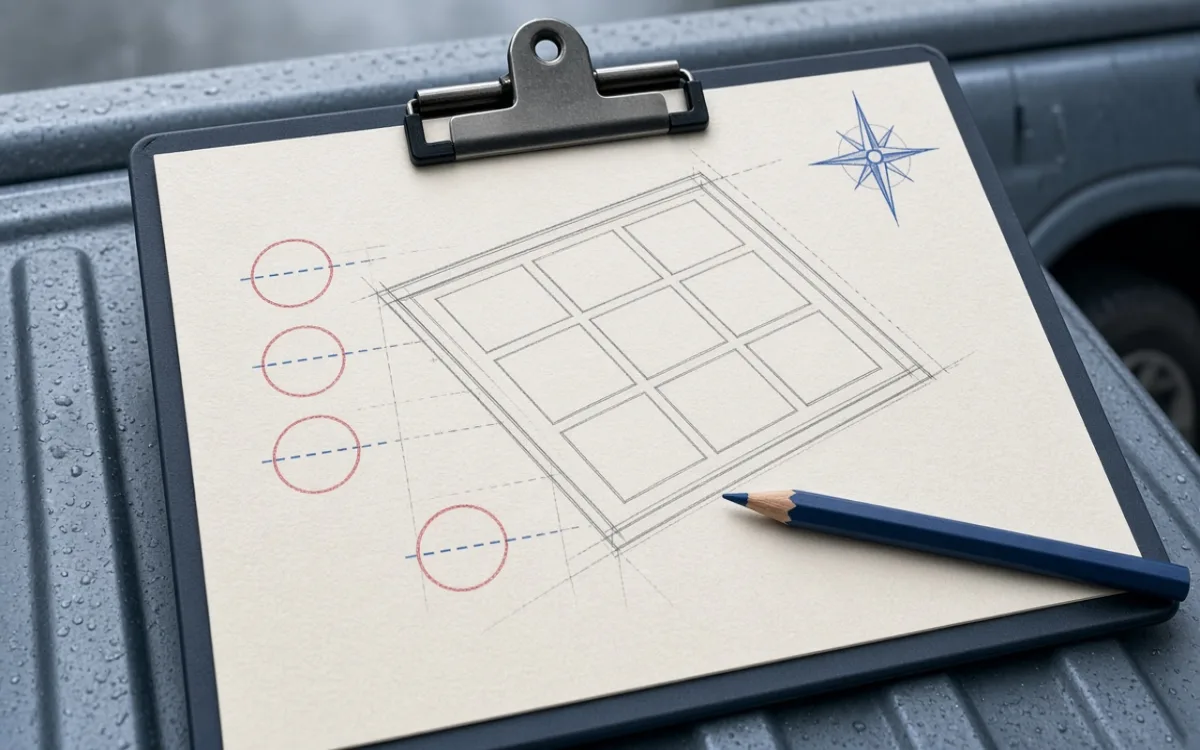
Why Your Meter May Stay Still After Install Day
From the curb the array looked finished — flashings neat, conduit painted to match the trim, neighbors asking when the dial would spin backward. Inside the meter enclosure the glass was unchanged: same forward creep every time the air conditioner kicked on, day after day, for more than a week after the crew left.
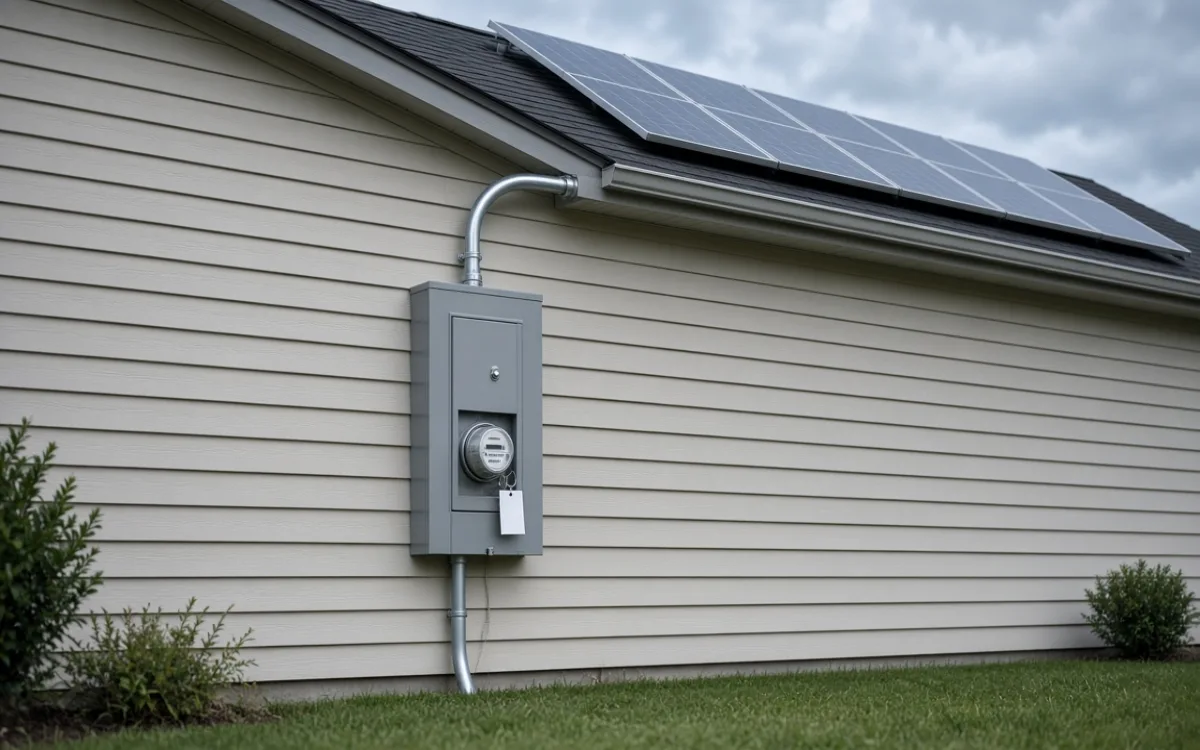
The homeowner I spoke with outside San Antonio had already called the installer twice. Both times the answer was some version of "the system is producing — check the app." The app showed kilowatt-hours climbing on a sunny chart while the physical meter under the porch light behaved as if the roof were still empty. He was convinced a string had failed. What had not finished was the utility's interconnect review — the administrative step that authorizes export or reprograms the meter to register flow in both directions. Until that closes, a still meter can coexist with a live inverter and a green production graph on your phone.
Install day ends roof and wiring work for the crew; it does not always end the project timeline. Many territories require a city or county final inspection before the utility will open or advance an interconnect ticket. Others accept paperwork in parallel but hold meter programming until an inspector's signature lands in a portal. The gap between "inverter on" and "meter reflects export" is normal enough that treating it as a fault wastes anxiety and sometimes triggers unnecessary truck rolls.
The usual sequence — and where the pause hides
Order varies by utility, but most residential projects touch the same milestones in roughly this shape:
- Install and internal commissioning — crew energizes for testing, monitoring comes online, production may be visible only behind the meter.
- Local final inspection — inspector verifies placards, disconnects, and roof work; approval is forwarded or uploaded for the utility's file.
- Interconnect application review — utility confirms account, equipment, and sometimes witness tests or photos before release to export.
- Meter swap or remote programming — bidirectional register enabled, or a new meter installed; until then the old dial may ignore rooftop production entirely.
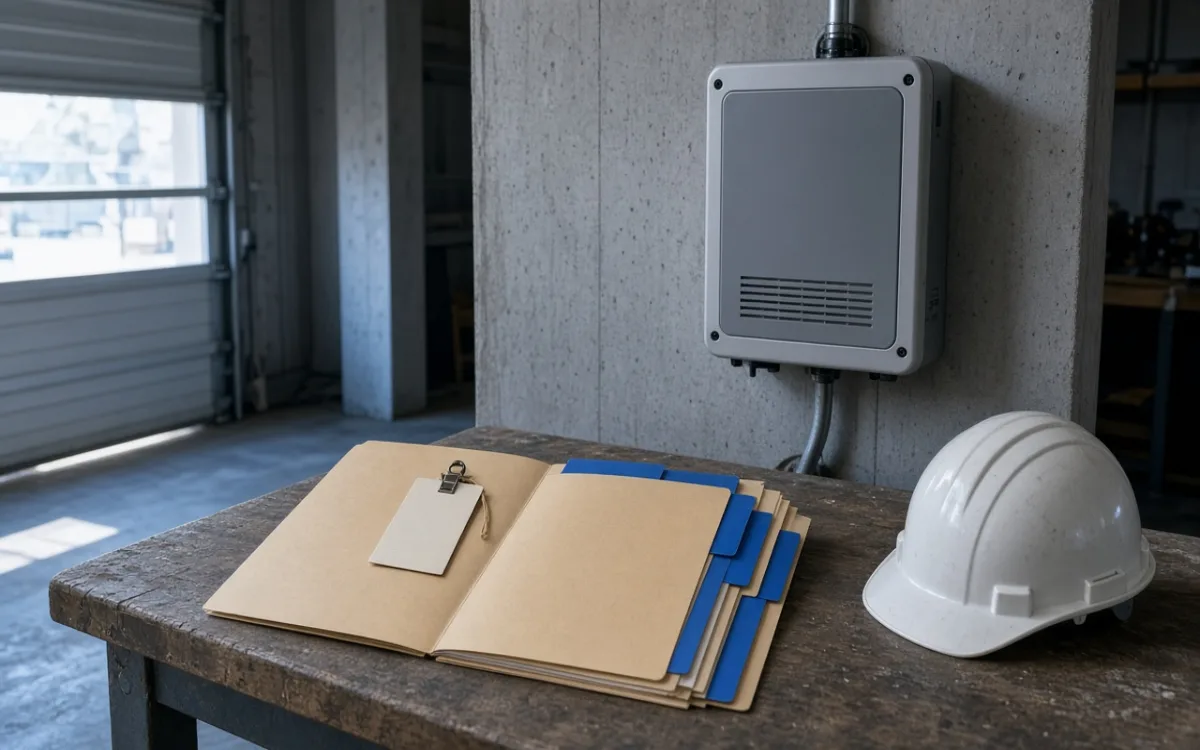
- Permission to operate letter — formal notice that export is allowed; keep it with your handover folder even if the meter already moved.
The idle stretch most owners notice sits between steps two and four. Panels are visible; the meter is not yet told to care.
Signs the array is working while the meter is not
Before you assume hardware failure, look for evidence that production exists on the house side of the meter:
- Monitoring shows rising daily totals on clear days while household load is moderate.
- The inverter display or app reports operating status without persistent fault codes.
- Your installer confirms inspection is scheduled or passed but utility status is still "pending."
- Neighborhood chatter matches your wait — several homes on the same block often share the same utility queue after a busy install season.
A production app measures the array. The meter measures what the utility agrees to count. Those two stories converge only after paperwork catches up to the roof — and paperwork rarely keeps install-week pace.
What to ask instead of "is it broken?"
Useful questions shift the conversation from panic to status tracking. Ask your coordinator for the interconnect application reference number, the date final inspection was submitted, and whether the utility requires an in-person meter visit or remote activation. Ask whether the system is currently limited to self-consumption while export remains locked — that configuration explains sunny production with a meter that still climbs when you run the dryer.
If weeks pass with no inspection date and no utility update, the bottleneck is administrative, not a loose connector on the roof. Escalate through the project office and the utility's solar desk with the permit number in hand. If inspection failed, the meter will stay still for a different reason — rework must clear before anyone programs export. The fix is still process-shaped, not a mystery failure mode.
When a motionless meter actually warrants a service call
Call for equipment checks when monitoring stays flat on clear days, the inverter reports faults, or the installer confirms interconnect is already approved and the meter was supposed to be reprogrammed. In that narrower case, the gap is between expected utility action and field reality. The San Antonio owner eventually received a permission-to-operate email on day twelve; the meter began registering export the morning after a utility technician closed the enclosure he had been staring at since install week. The array had not been idle — only the dial's part of the story had not started yet.